
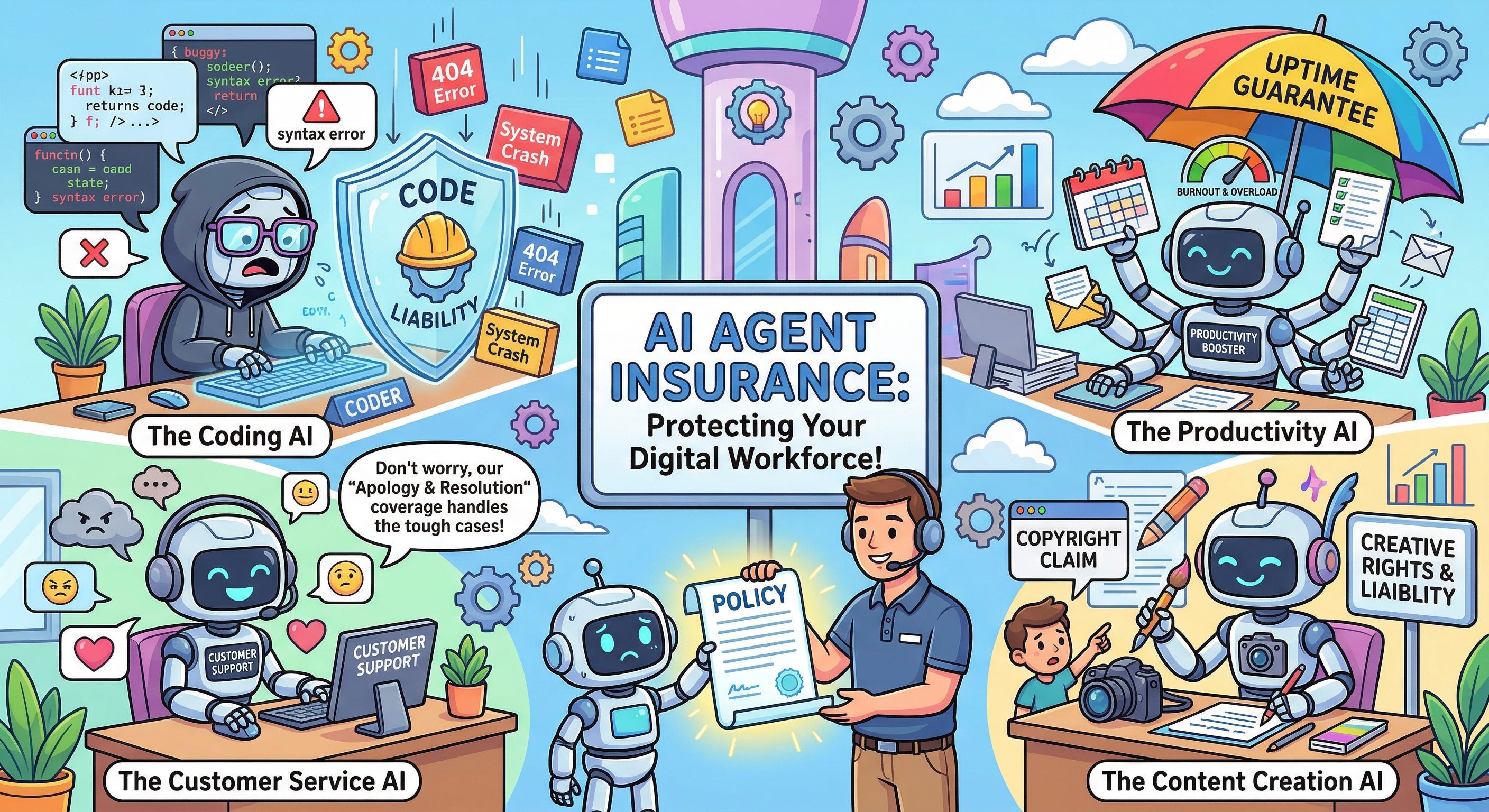
The discipline of software engineering is currently navigating a violent paradigm shift. In early 2025, the cultural lexicon absorbed the concept of “vibe coding,” a phrase minted to describe a novel, intuitive workflow where developers direct large language models (LLMs) via natural language, effectively abandoning the keyboard to let the model generate the underlying syntax. This approach was characterized by an embrace of “exponentials” and a tendency to forget that the code even exists, relying entirely on the raw output of the prompt. By 2026, this capability expanded into “vibe physics,” with models like Claude Opus 4.5 autonomously conducting graduate-level theoretical physics research through 52,000-message agentic loops.
However, for weekend projects and rapid prototyping, this approach demonstrates the unreasonable effectiveness of generative models. But as these systems transition from conversational assistants to autonomous agents executing multi-step workflows in production, the constraints of software development radically alter. The industry no longer faces a creation problem; it faces a severe confidence problem.
“Vibe coding” must inevitably mature into rigorous “agentic engineering.” When an autonomous agent is deployed by a financial institution to manage transactions, adjudicate commercial insurance claims, or parse medical records, the underlying software is no longer deterministic. Traditional code either compiles or it does not; it throws explicit stack traces when it encounters a bug. Neural networks, conversely, are a deeply leaky abstraction. They fail silently. An LLM agent will not inherently throw a syntax error when it misinterprets a prompt; it will confidently generate a hallucinated legal citation, execute a recursive loop of unauthorized API calls, or silently drift toward biased decision-making.
As these agents increasingly operate with minimal human oversight, the liability landscape transforms. The output is the product, and when that output causes financial or reputational damage, traditional risk frameworks break down. This necessitates the emergence of a highly specialized technical and financial construct: AI insurance, explicitly tailored for non-deterministic agents. To understand how to underwrite, monitor, and formally verify these probabilistic systems, it is necessary to adopt a defensive, paranoid mindset, stripping the architecture down to dumb baselines and rebuilding a robust framework for accountability.